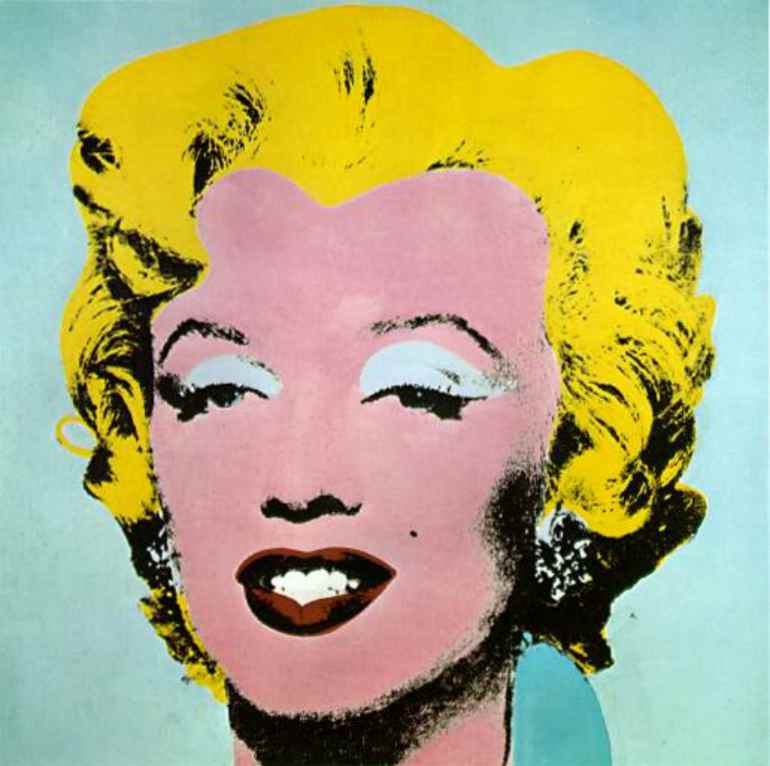
"The concept of pluralism in philosophy indicates the belief that reality consists of many different things or kinds of things."
"The term is also used in a wider sense in several fields of philosophy, to express the idea that there can be no single explanatory system, or view of reality that can explain the totality of life; or that there are many different possible viewpoints or positions of equal validity and importance. In religion, law, and politics, pluralism refers to the co-existence of more than one belief system, legal structure, or political interest group."
http://www.newworldencyclopedia.org/entry/Pluralism
I feel as though New Zealand is quite ahead of the rest of the world, in terms of a "Dominant culture" im sure in statistics there would be a stand out, but from my own experiences I feel that NZ is a multi-cultural society with NZ Pakeha and Maori aswell as large diverse Asian and Middle Eastern groups too. I think there is a large appeal to come to New Zealand because of its "clean, green" image and for it realtive saftey compared to other countries. I feel as though New Zealands has adapted and welcomed new cultures.

http://www.nzhistory.net.nz/culture/explorers/explorers
I think that the Treaty of Waitangi has helped shape NZ art as there has being alot of debate and anger from both parties as the translation wasnt completely correct, and I think from this disagreement it has given NZ art abit of attitude, but at the same time both Maori and Pakeha have embrace each other forms and proccesses, for example Charles Frederick Goldie is proberly the earliest artist that I know who saw Maori as not people to be feared but to be admired. In this modern society I think that people are mixing it up, blending the two cultures together.
http://www.arikiart.com/new-zealand-art/charles_frederick_goldie.htm

Globalization is the tendency of business,technologies,or philosophies to spread throughout the world,or the process of making this happen.generally used to describe “the changes in societies and the world economy that result from increasing international trade and cultural exchange whereby people around the world are more connected to each other than ever before.”
Lots of overseas companies are searching for something exotic and new to be advertised with their company name stamped on top of it, using Maori art to seperate themselves from the rest of their competition. But having said that I think New Zealand could benifit from having the rest of the world take an interest in our culture, learn to understand one and another and bring together old cultures to create new ones.
AUT University. (2011). Academic Literacies in Visual Communications 2: Resource Book. New Zealand, Auckland: Lyceum Press

To me this work shows his appreciation for the New Zealand culture, which is now really a mix of both Pakeha and Maori, I feel as though he is paying a tribute to those who may of lost their lives in the very early stages of colonialism in New Zealand by the red lines that work their way across the work like blood running across our vision. The cliff and Fantail to me represents NZ flora and fauna, something that all New Zealanders take pride in.
The work "Welcome" to me represents the relationship between the brittish settlers and the native Maori, not just only white and brown, but the religion and beliefs between the two cultures. Brittish being heavily catholic and christian and Maori beliefs being that the "mother earth" is in the same way "god" I think having two images of birds beside the two figures shows the harmony that New Zealand represents to the rest of the world.
Tony Albert's practice reveals his interest in mass-produced products from Australia's history and what these say about dominant beliefs. By collaging, sculpting and transforming images, brands and texts, Albert shows Indigenous Australian history through its representations in 'kitsch'. His work "Sorry" was based around the public apology to all Indigenous Australians by former prime minister Kevin Rudd. I think what Albert is trying to do is to collect historical material that suggest the dark past of how Aboriginal people were treated and place it together to make something that could move people and remind people of how they were cut off from who they are and their culture. I think that it sits in the word "sorry" because at the end of the day sorry is just a word, while we see the word sorry we witness at the same time what they are sorry about, but yet at the same time, you dont feel justice.

I think they both talk about and create work that relates to their countries culture and heritage which is important in pluralism, whilst showing some of the darker parts of the past it seems as though they remain hopeful and positive towards the future of their country and culture.